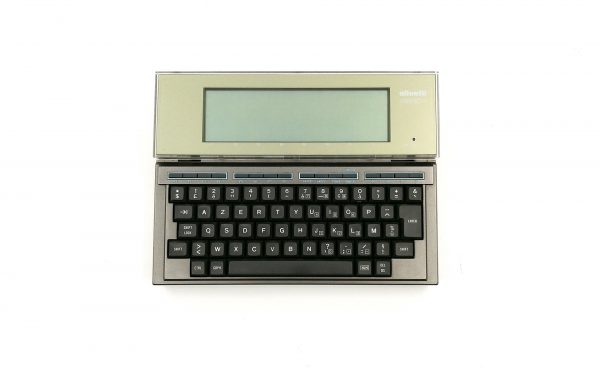

Olivetti Programma 101
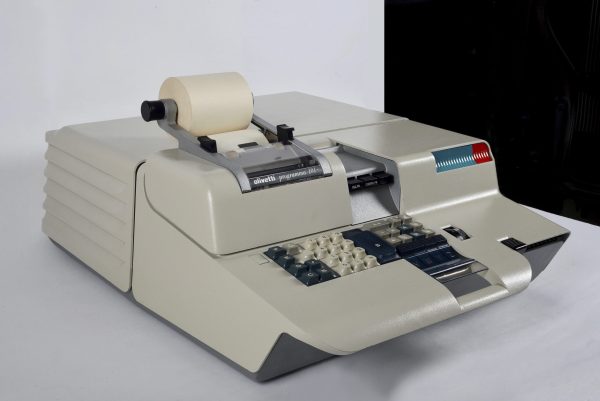
The Olivetti Programma 101, also known as the P101, is one of the first programmable calculators that didn’t require a dedicated room. Created in 1965, this calculator (or computer) marked a significant step forward in the computer revolution.
Olivetti Programma 101
The Olivetti Programma 101, also known as the P101, is one of the first programmable calculators that didn’t require a dedicated room. Created in 1965, this calculator (or computer) marked a significant step forward in the computer revolution.
The P101 is also nicknamed the "Perottina" after its inventor, Pier Giorgio Perotto. It was the first commercially available, programmable desktop computer in the world.
The story of the P101 begins in 1962, in the laboratories of Olivetti in Ivrea, Italy. A young, visionary team led by Pier Giorgio Perotto (1930–2002) was tasked with developing a machine that could automate scientific calculations in a way that was affordable and accessible to ordinary businesses. Perotto, an engineer, saw not only the technical challenges but also the human side: a machine had to be not just powerful but also intuitive and user-friendly.
Together with Giovanni De Sandre, Gastone Garziera, Giancarlo Toppi, and Giuliano Gaiti, he worked on a device that could perform calculations independently based on pre-written programs. Until then, computers were either too expensive or too complex for everyday use. The P101 was different: compact, affordable (around $3,200, equivalent to about $32,000 today), and user-friendly.
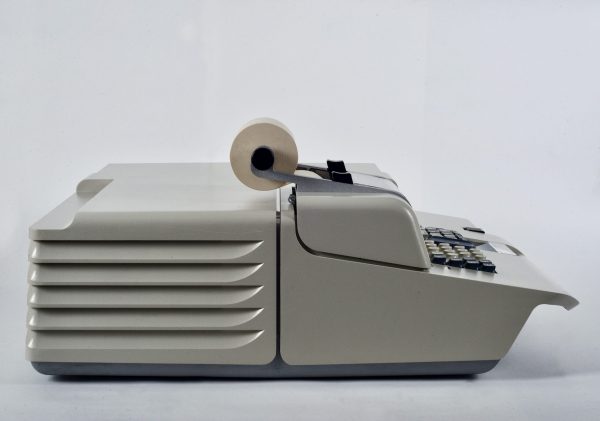
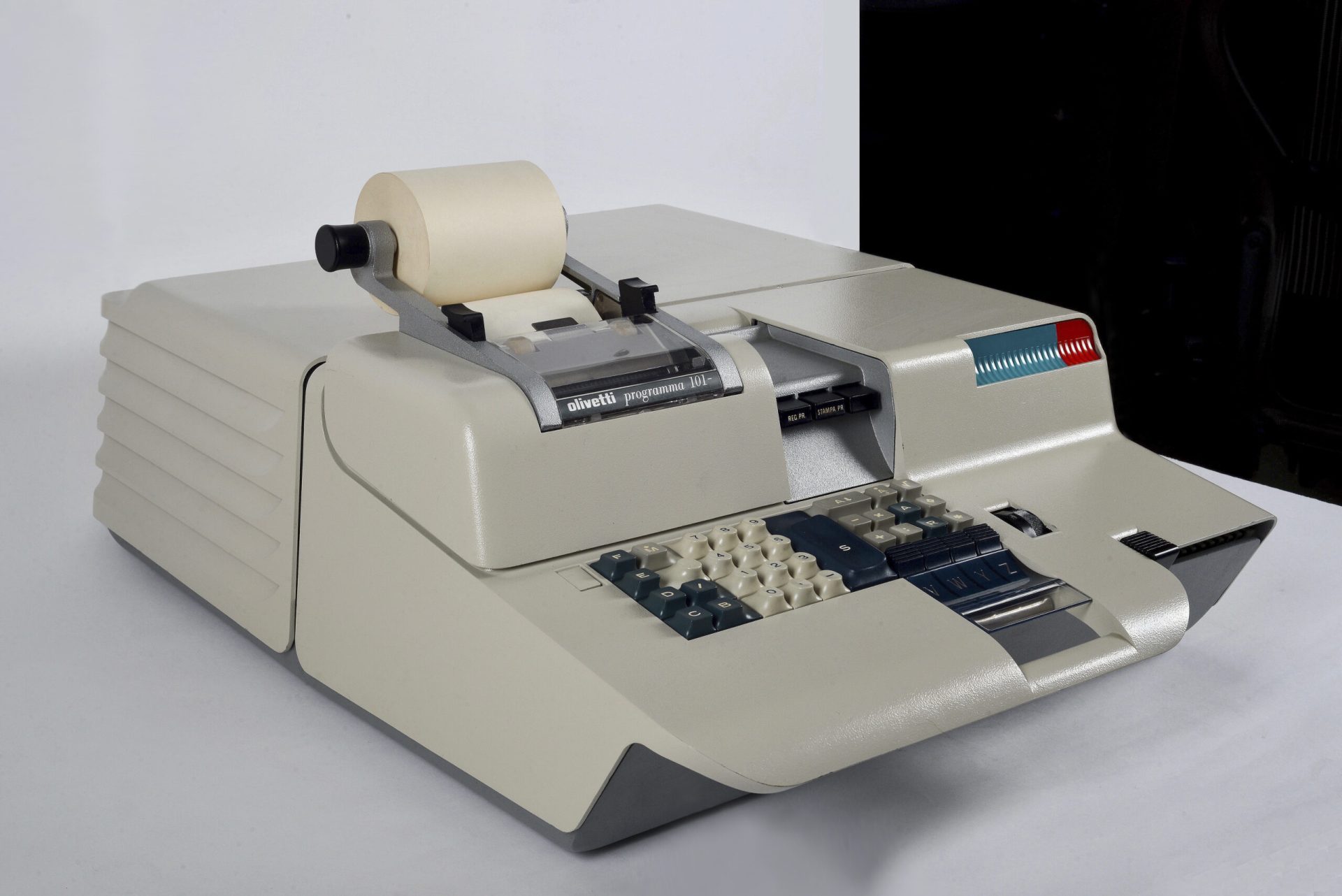
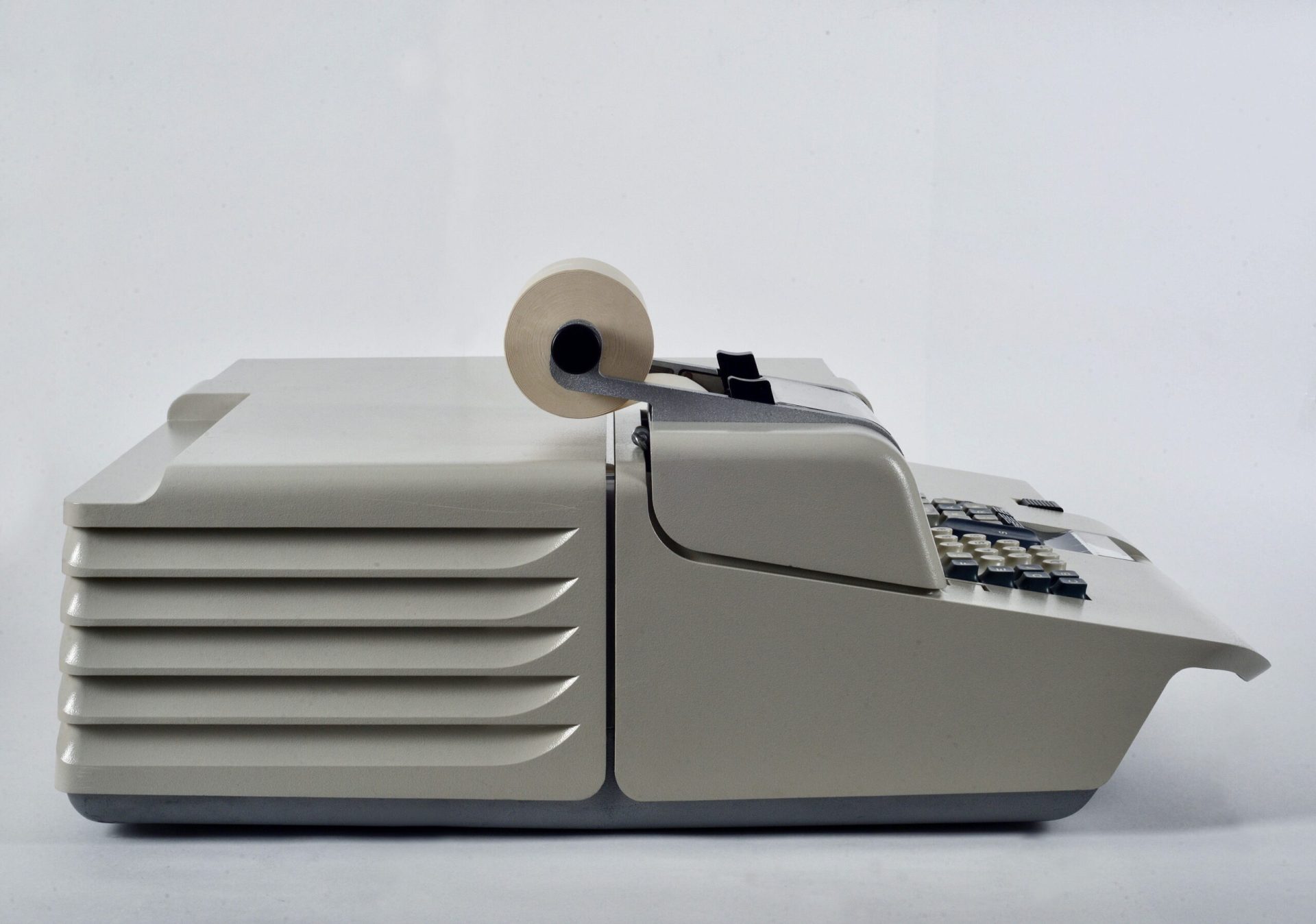
The P101 was not just a technical marvel, it was also a design icon. Olivetti enlisted the young, talented designer Mario Bellini to give the machine a timeless, elegant appearance. Bellini, who later won the Compasso d’Oro (Italy’s highest design award) for his work on the P101, created a housing that was functional, ergonomic, and stylish.
The machine weighed 35.5 kg, a world of difference compared to the massive mainframes of the time. The aluminum casing, clearly marked keys, and integrated printer also made the P101 visually appealing. Bellini’s design was so groundbreaking that it later served as inspiration for Steve Jobs and the first Apple computers.
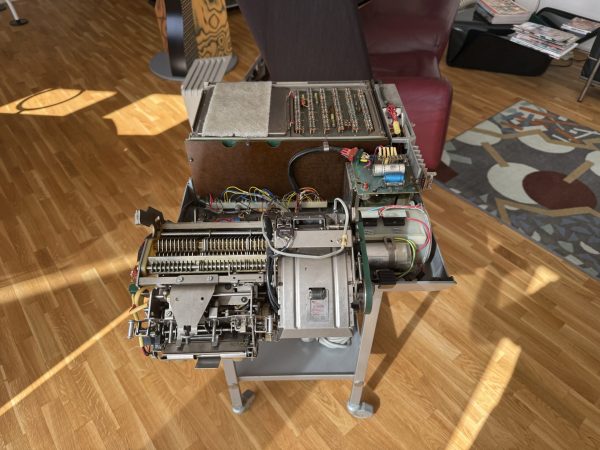
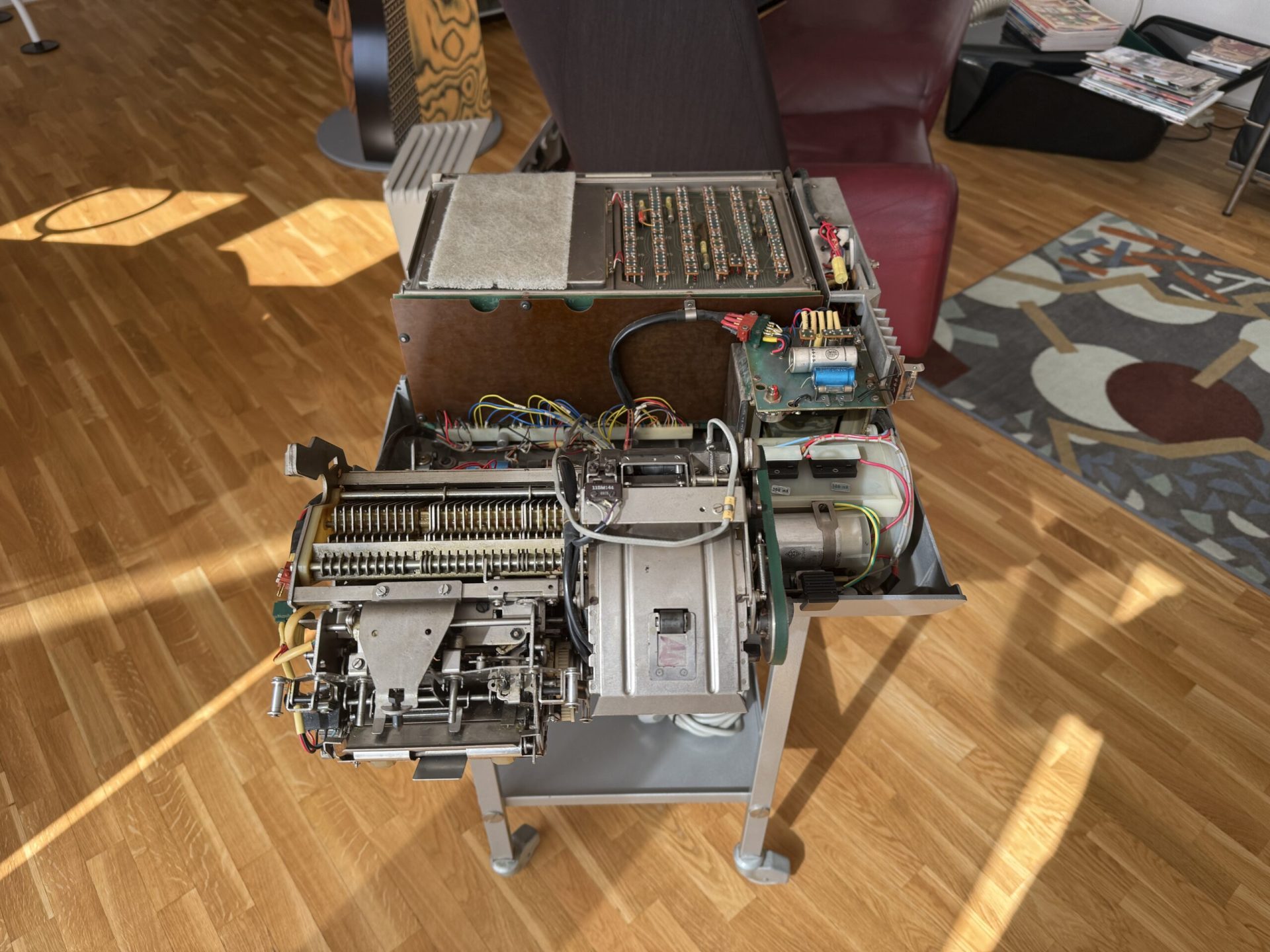
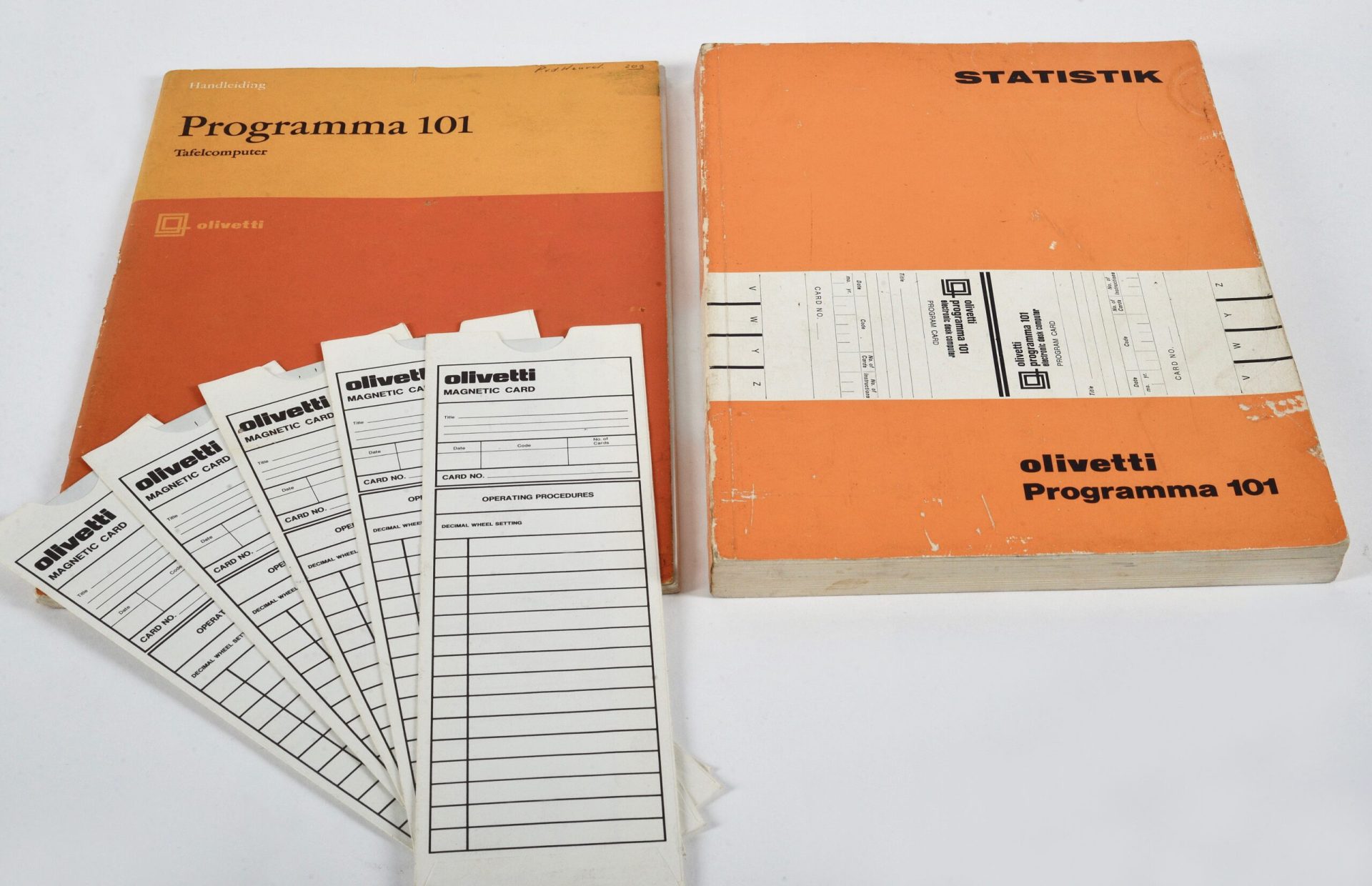
The P101 was equipped with 240 bytes of magnetostrictive memory. Its most striking feature was the magnetic card: a small, removable card where programs could be stored. This was a precursor to the floppy disk and made it possible to load and execute programs with a simple action.
With 10 register memories and the ability to perform conditional jumps in programs, the P101 was capable of handling complex calculations.
The P101 was not only a success in Italy. After its world premiere at the BEMA trade show in New York (October 15, 1965), the machine conquered the American market, where 90% of the 44,000 produced units were sold.
NASA used the P101 for calculations related to the Apollo 11 moon landing in 1969. David W. Whittle, a NASA engineer, later recalled:
“By the time of Apollo 11, we had a kind of desktop computer, the Olivetti Programma 101. It was a kind of supercalculator. We had to run four separate programs on this P101 to guide communications with the lunar module.”
The US Air Force also used the P101 for ballistic calculations during B-52 bombings in the Vietnam War. Fortunately, its applications weren’t limited to war—there are also stories of tailors using the machine to calculate the most efficient way to cut fabric with minimal waste.
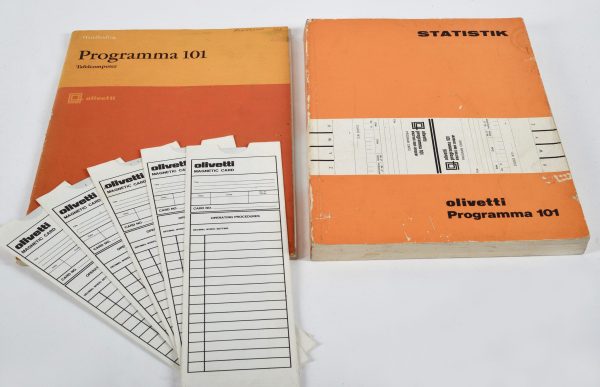
The HomeComputerMuseum is proud to have an exceptionally well-preserved example of the Olivetti Programma 101 in its collection. This unit is complete, including the original power cord, manuals, technical documentation, and magnetic cards with stored programs.
In 2025, this unit was displayed in the exhibition ‘Women as Technology’ at Design Museum Den Bosch, on loan from the museum. The previous owner, CIRQ Collection, acquired the machine in 1989 from the Technical Service Center Olivetti Netherlands BV. Since 2026, the P101 has been a permanent part of the HomeComputerMuseum’s collection.
The photos were taken by CIRQ Collection.