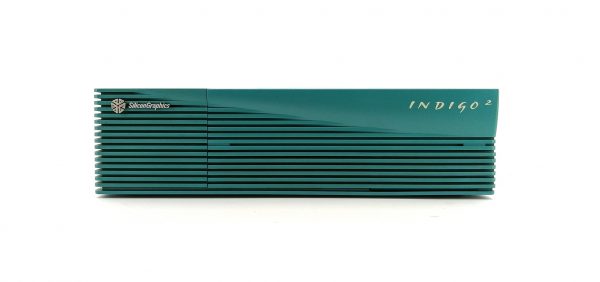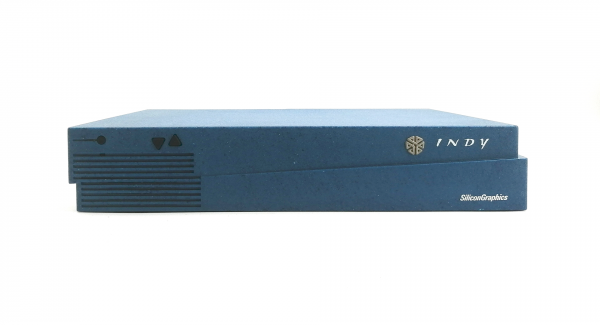

Silicon Graphics Indigo 2 IMPACT 10000
The Silicon Graphics Indigo2 IMPACT 10000 is a variant of the Indigo2 family from Silicon Graphics, Inc. that marked the transition to the 64-bit MIPS R10000 processor and the associated IMPACT graphics subsystems.
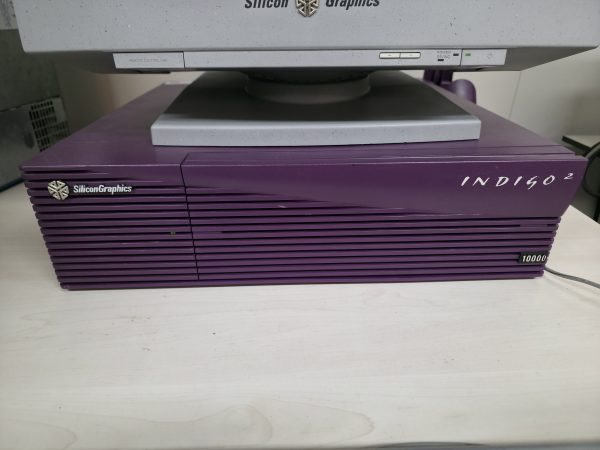
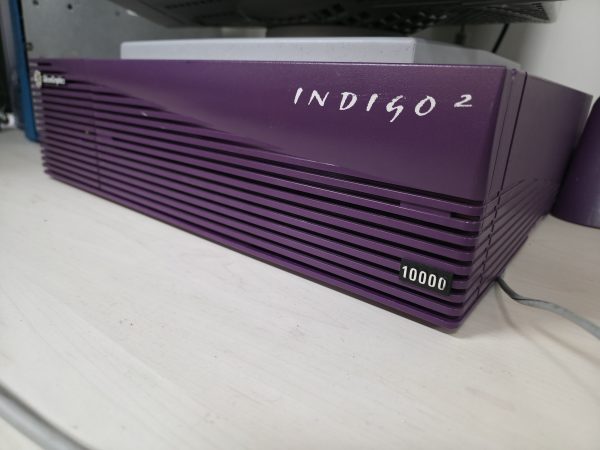
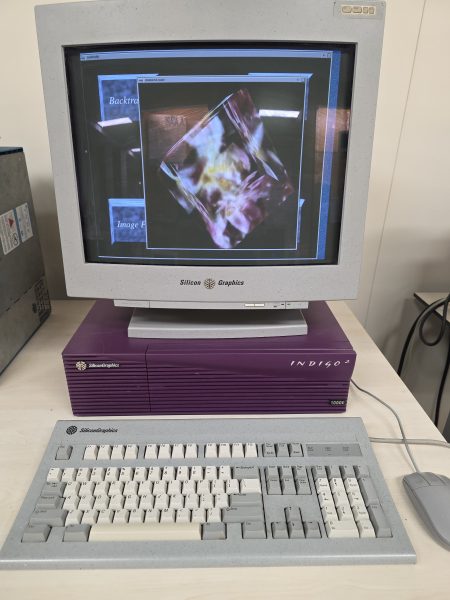
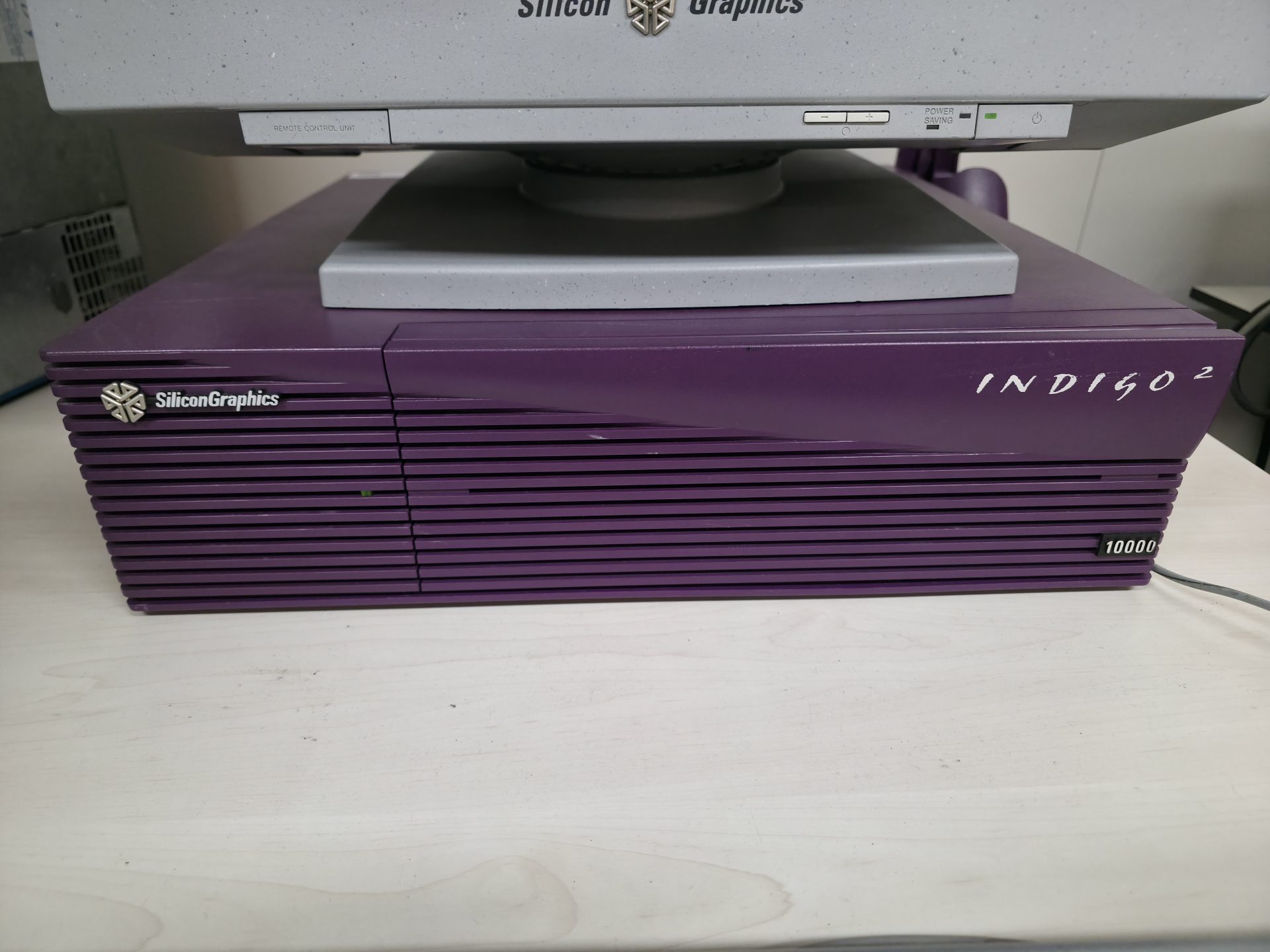
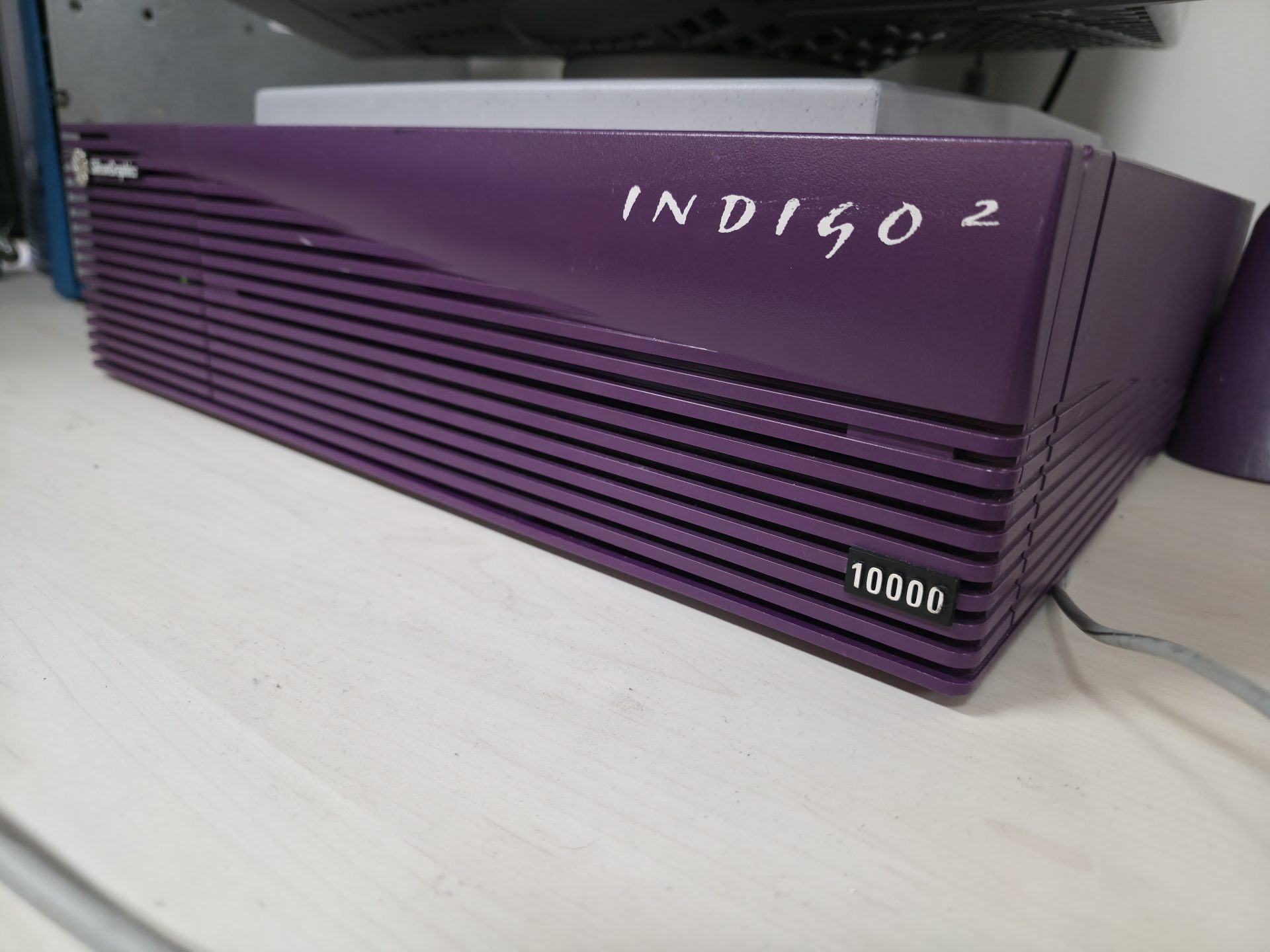
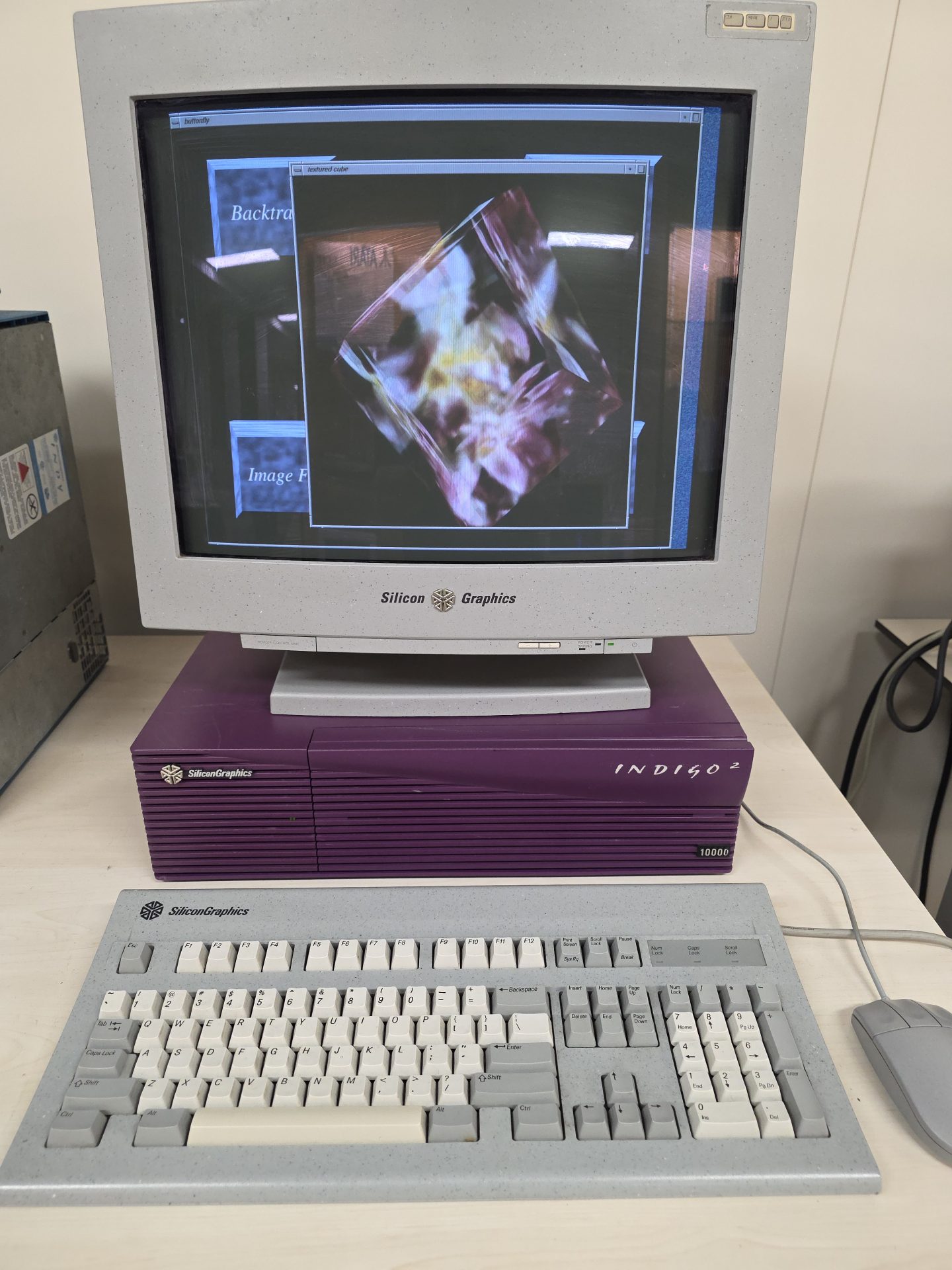
Silicon Graphics Indigo 2 IMPACT 10000
The Silicon Graphics Indigo2 IMPACT 10000 is a variant of the Indigo2 family from Silicon Graphics, Inc. that marked the transition to the 64-bit MIPS R10000 processor and the associated IMPACT graphics subsystems.
According to the technical specifications, the Indigo2 IMPACT 10000 was supplied with an R10000 processor running at 175 or 195 MHz, featuring 32 KB of instruction cache, 32 KB of data cache, and 1 MB of secondary cache. The memory capacity for the R10000 models is specified as ranging from 32 MB to 640 MB.
The R10000 itself was introduced in 1995 by MIPS Technologies, Inc. (at that time a division within SGI).
Within the IMPACT product line, SGI positioned Maximum IMPACT as the flagship, intended to deliver the highest performance in textured 3D graphics and desktop imaging. In overviews of Indigo2 graphics options, Maximum IMPACT is described as the fastest configuration within the IMPACT family (alongside Solid and High IMPACT), and it is also physically the “largest” configuration: Maximum IMPACT occupies three GIO-64 slots (High IMPACT uses two, Solid uses one).
The museum’s example is equipped with this graphics option, and the system is operational. This is the original machine on which the open-source software Blender was developed.