
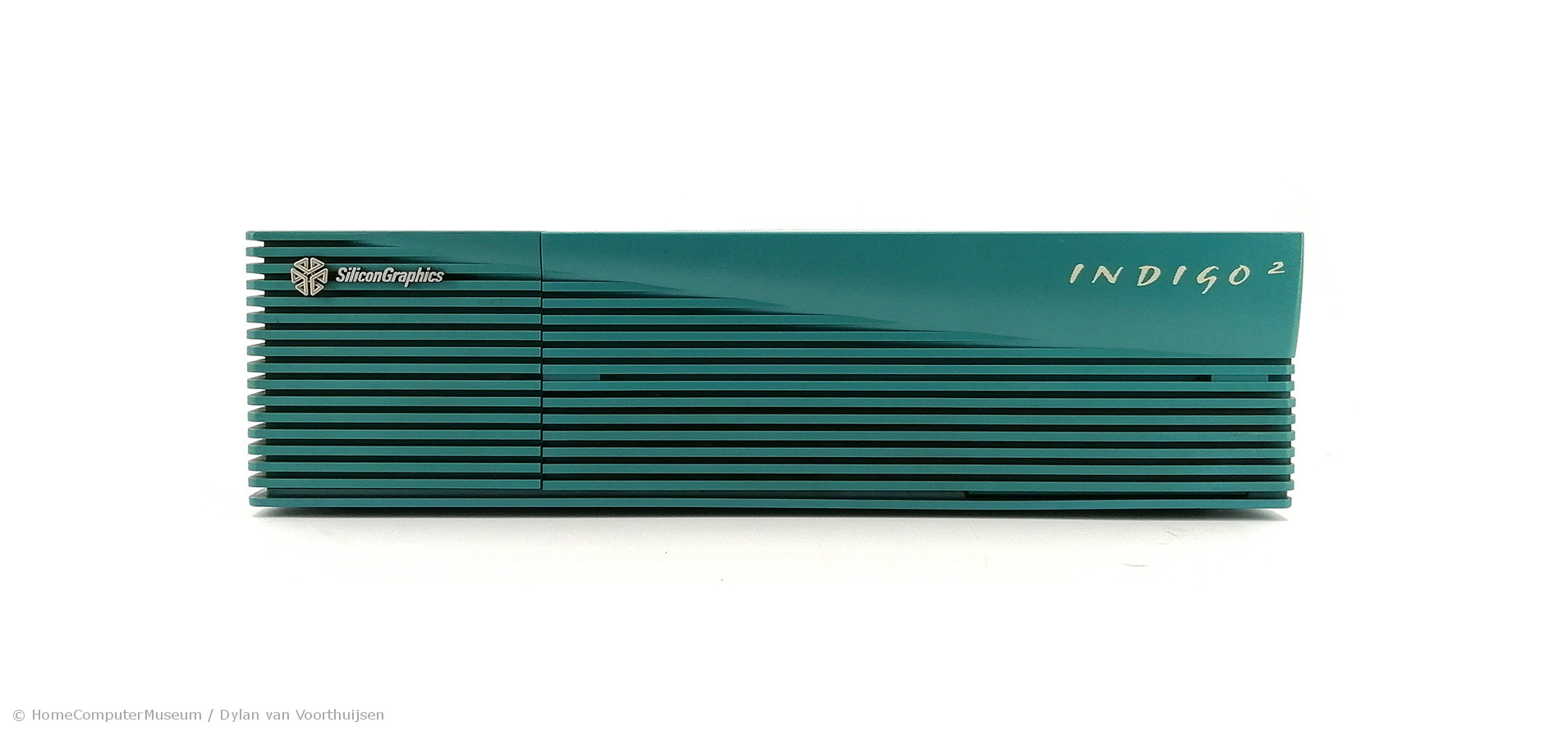
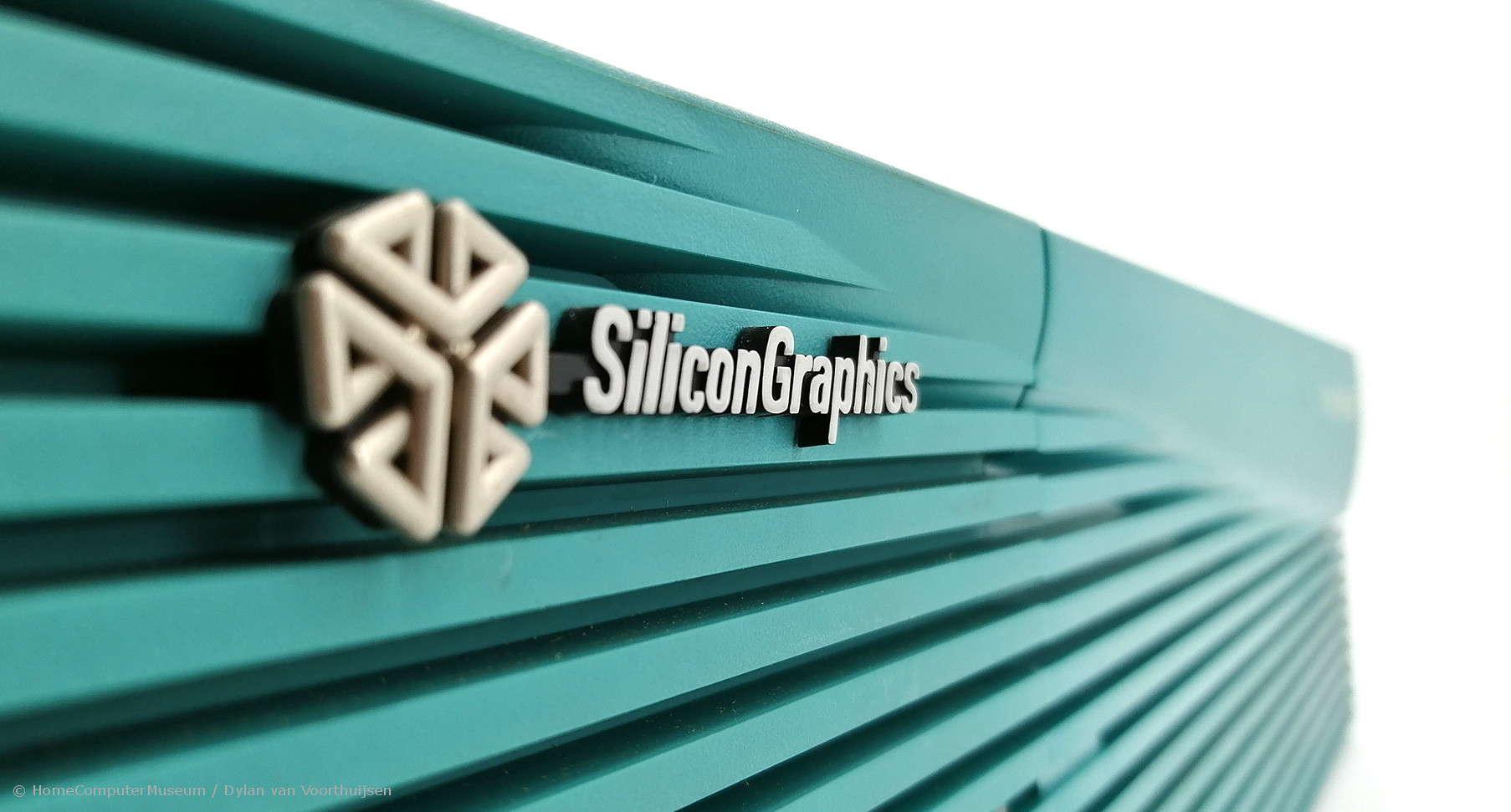
Silicon Graphics Indigo 2
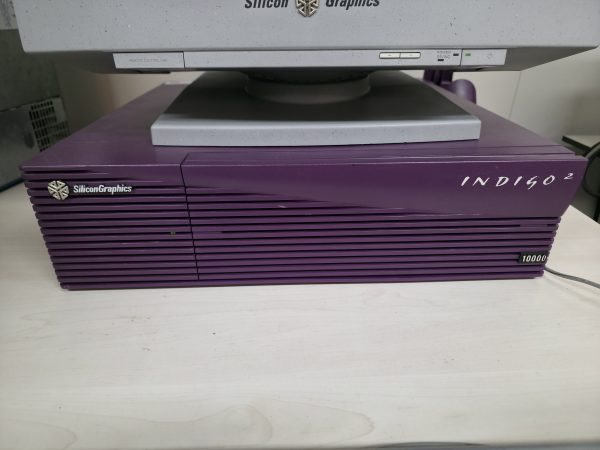
The Silicon Graphics Indigo2 was a desktop workstation designed and sold by Silicon Graphics, Inc. (SGI). The system was introduced in 1992 as the successor to the original SGI Indigo workstations and remained in production until approximately 1997.
The Indigo2 carried the codename “Fullhouse” and was intended as a high-end workstation with extensive expansion capabilities. Depending on the configuration, purchase prices could often exceed USD 100,000. This clearly positioned the Indigo2 above the SGI Indy, which was released later the same year as a more affordable and more simply configured system.
Like other SGI workstations, the Indigo2 was primarily used in academic, graphical, and commercial environments for visualization, 3D animation, simulation, and scientific applications, rather than in the mainstream consumer market.
The Indigo2 used MIPS-architecture CPUs and featured an EISA bus in combination with a proprietary GIO64 expansion bus for additional hardware.
Depending on the model, an Indigo2 could be equipped with various processors offering different performance levels:
-
MIPS R4000-series processors (64-bit RISC CPUs) and the faster R4400 models, with clock speeds of up to approximately 250 MHz.
-
A rarer POWER Indigo2 configuration featuring the R8000 processor, primarily aimed at high floating-point performance.
-
Later and more powerful Indigo2 IMPACT variants used the R10000 processor.
Depending on the configuration, the workstation could support hundreds of megabytes of memory via up to twelve SIMM slots, as well as a range of graphics subsystems (such as XZ, Extreme, or IMPACT graphics).
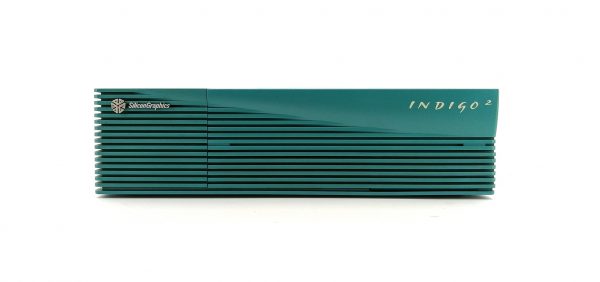
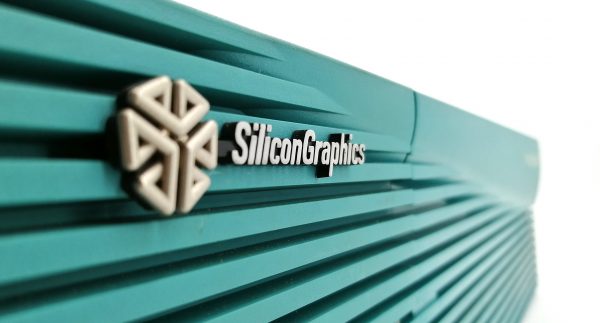
The blue-green (teal) color was used for the base Indigo2 models. In addition, the aforementioned POWER Indigo2 with the R8000 CPU was also produced in a teal-colored case.
Indigo2 workstations ran IRIX, SGI’s own Unix variant, which provided extensive support for graphics applications and system administration.
Because of its specialized hardware and Unix-based environment, the Indigo2 was mainly deployed in professional settings such as engineering development, animated film production, visualization laboratories, and scientific institutions, rather than in the consumer or home market.