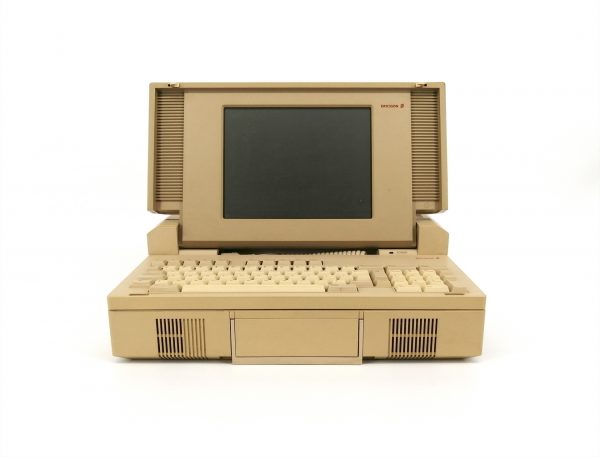

Ericsson PC
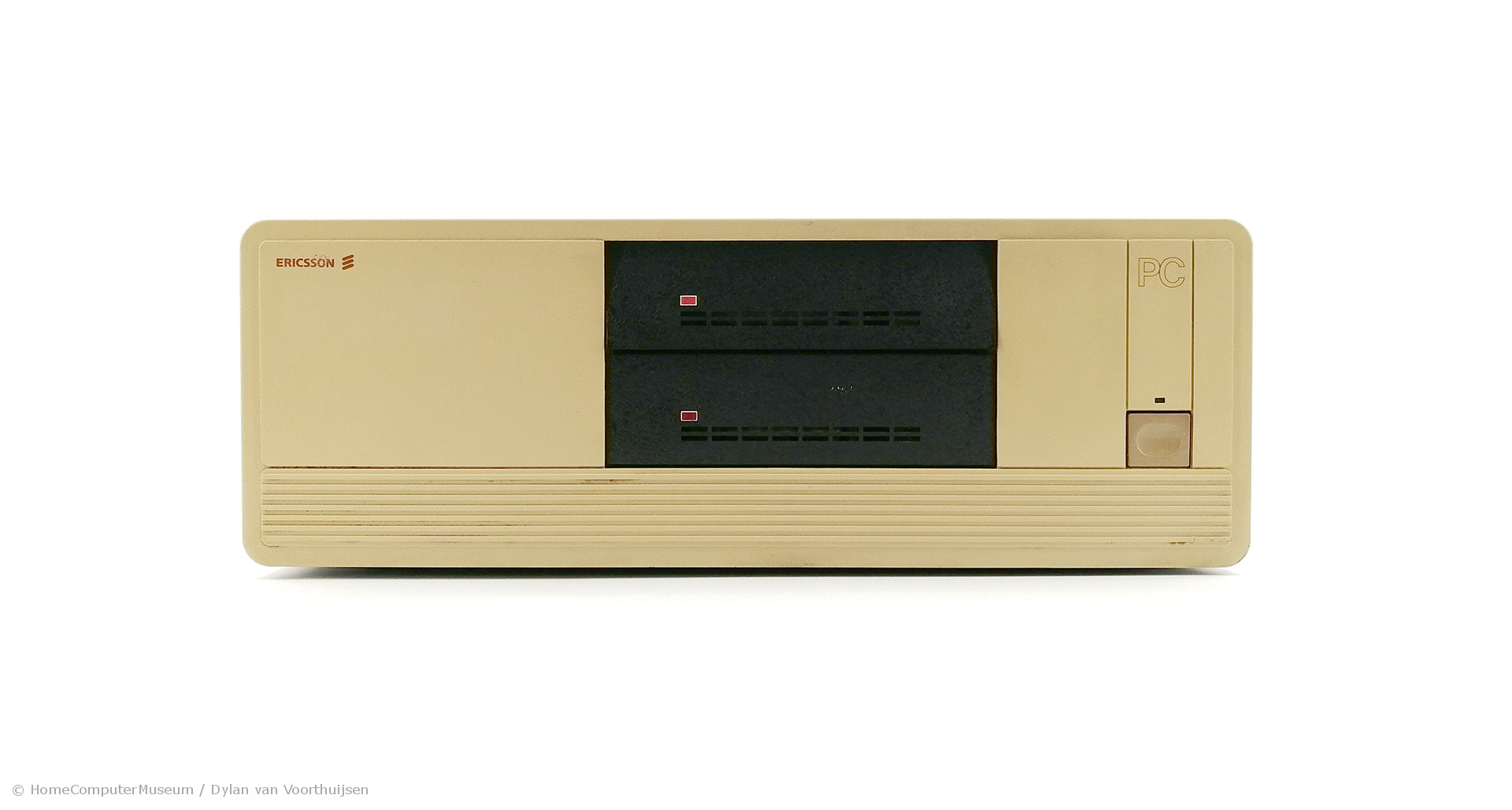
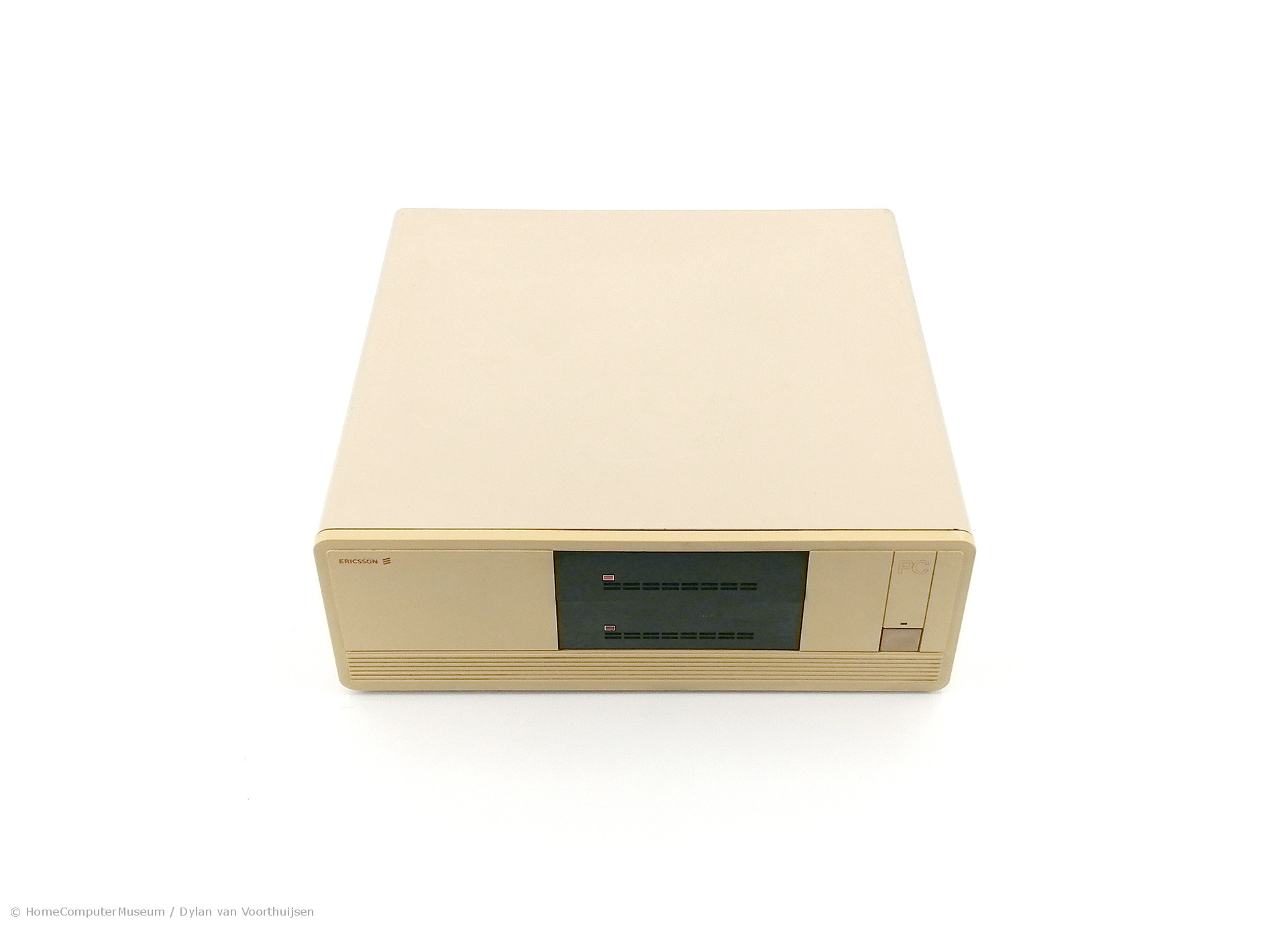
The Ericsson PC is an IBM PC-compatible computer. On the case itself, it is labeled as Ericsson System Unit 1031-002.
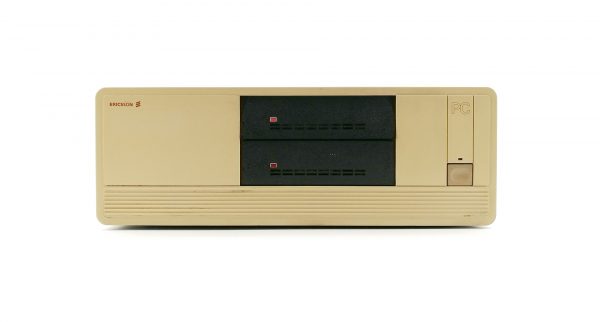
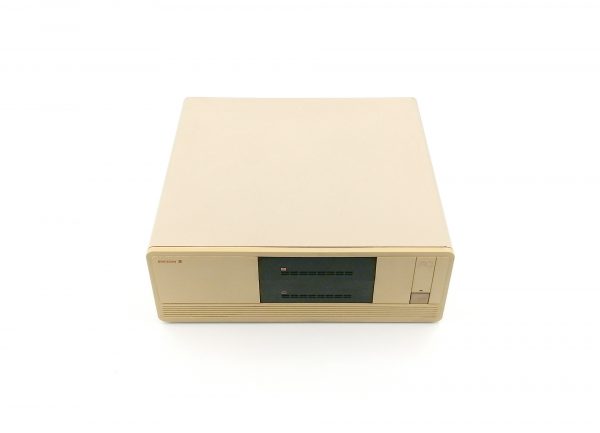
Ericsson PC
The Ericsson PC is an IBM PC-compatible computer. On the case itself, it is labeled as Ericsson System Unit 1031-002.
History
In the Veddesta industrial area in Sweden, just south of Jakobsberg, there was an industrial estate where several major companies operated. For example, Kodak had its headquarters and color lab there (1967), IBM had a printer factory (1970), and Saab Electronics had a massive complex.
Since 1968, military electronics have been developed here. However, with the arrival of a new king of Sweden, this moved to a factory in Jakobsberg itself.
The complex was established in 1964 as SRT, Standard Radio & Phone. In 1971, Stansaab was formed by SRT (state-owned), Saab, and ITT. ITT left this collaboration in 1973. Starting in 1974, Asea Hafo began producing semiconductors, which led to the formation of Datasaab in 1978.
In 1981, Ericsson took over Datasaab, and Ericsson Information Systems was established in 1982, where the development of the Ericsson PC began.
The idea came from McKinsey, who had convinced management to start a new project called Garage Projects. His team received two million and a three-month deadline to create a product. Converters for various terminal systems were developed, and they traveled to the United States to find components and software. Despite this, the project was still discontinued in March 1983.
In December of that year, a new attempt was made. A new 'garage project', significantly larger. Development happened quickly, and at the trade fair in Hannover in March 1984, an IBM-compatible PC was presented, the Ericsson PC. Shortly afterward, this computer could be ordered, and Sweden had its own developed IBM PC.